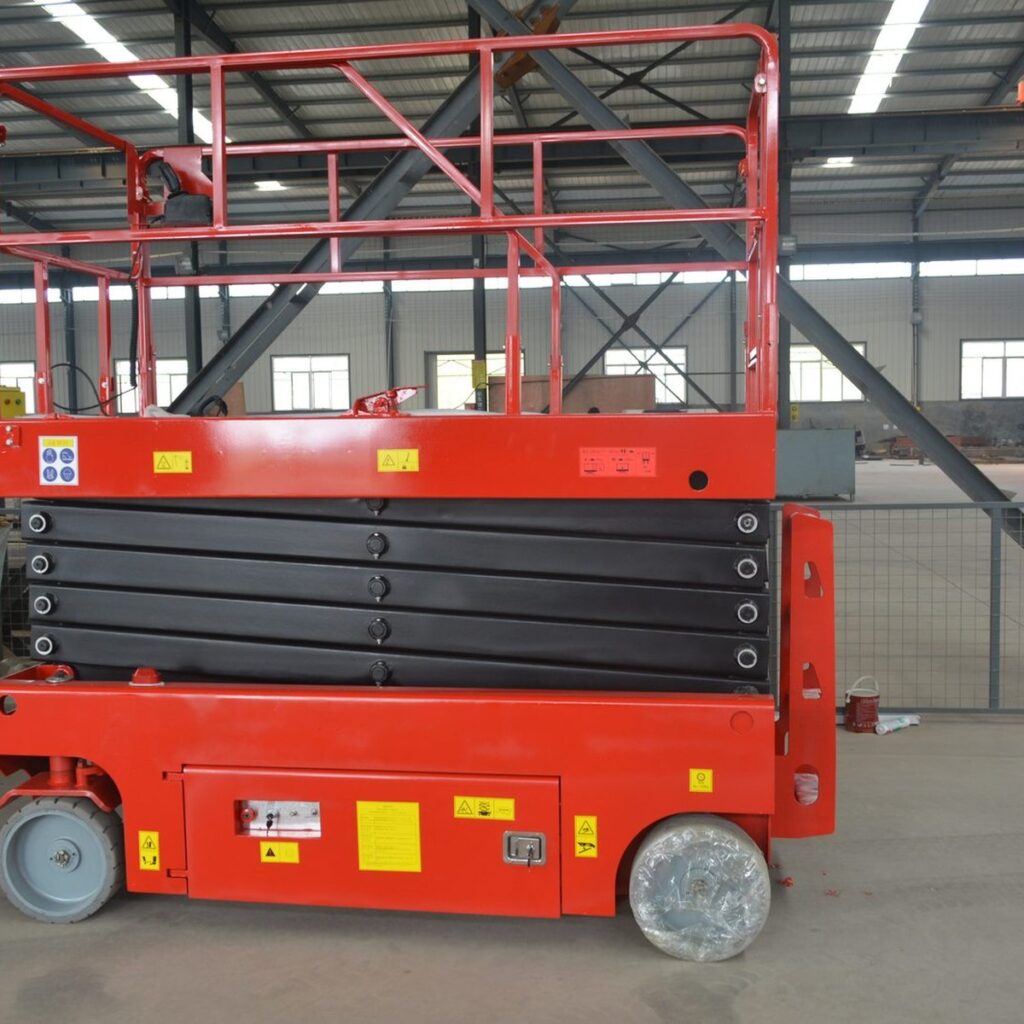
Fixed Scissor Lift Tables: Pit Mounted or Surface Mounted?
Flush loading or a ramp on the floor: how the pit decision fixes the height, the layout and the building work for a stationary scissor lift table.

Flush loading or a ramp on the floor: how the pit decision fixes the height, the layout and the building work for a stationary scissor lift table.
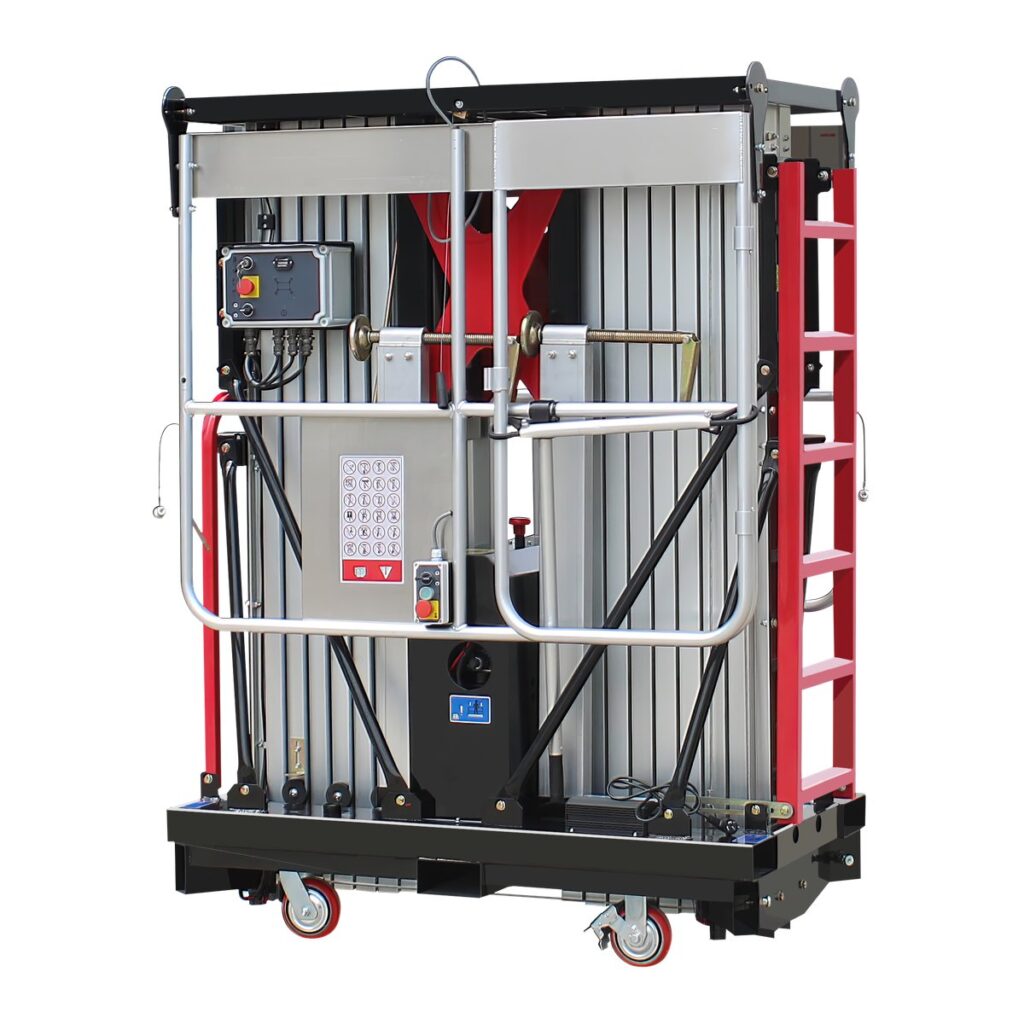
One is a narrow aluminium tower that fits into corners; the other is a self-propelled deck for two people. How the floor area and the platform decide between them.
Three platform sizes, three real installations: how the rise and the deck decide whether a wheelchair lift is right for a house or a public building.
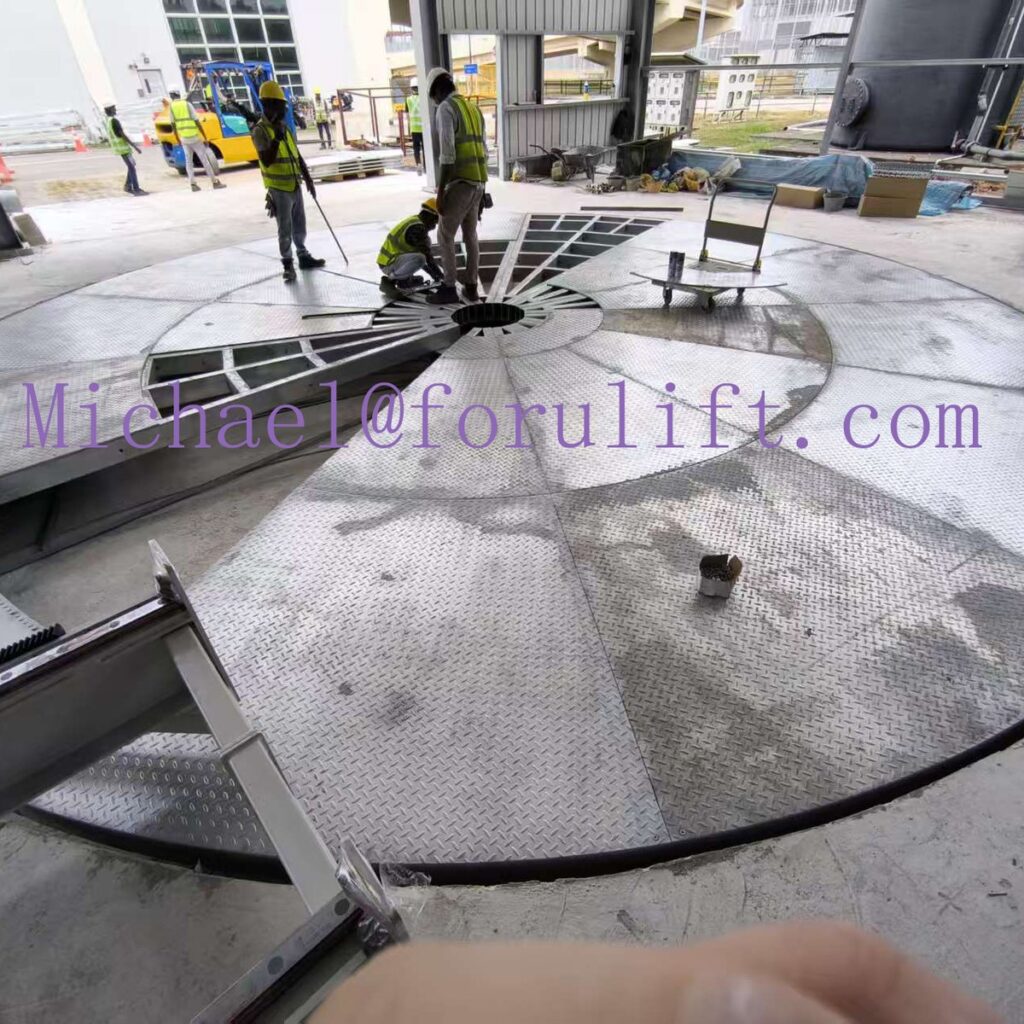
How a 5.5 m, 2.5 t car turntable was specified for a narrow driveway, what the site had to prepare, and what changes when the vehicle gets bigger.
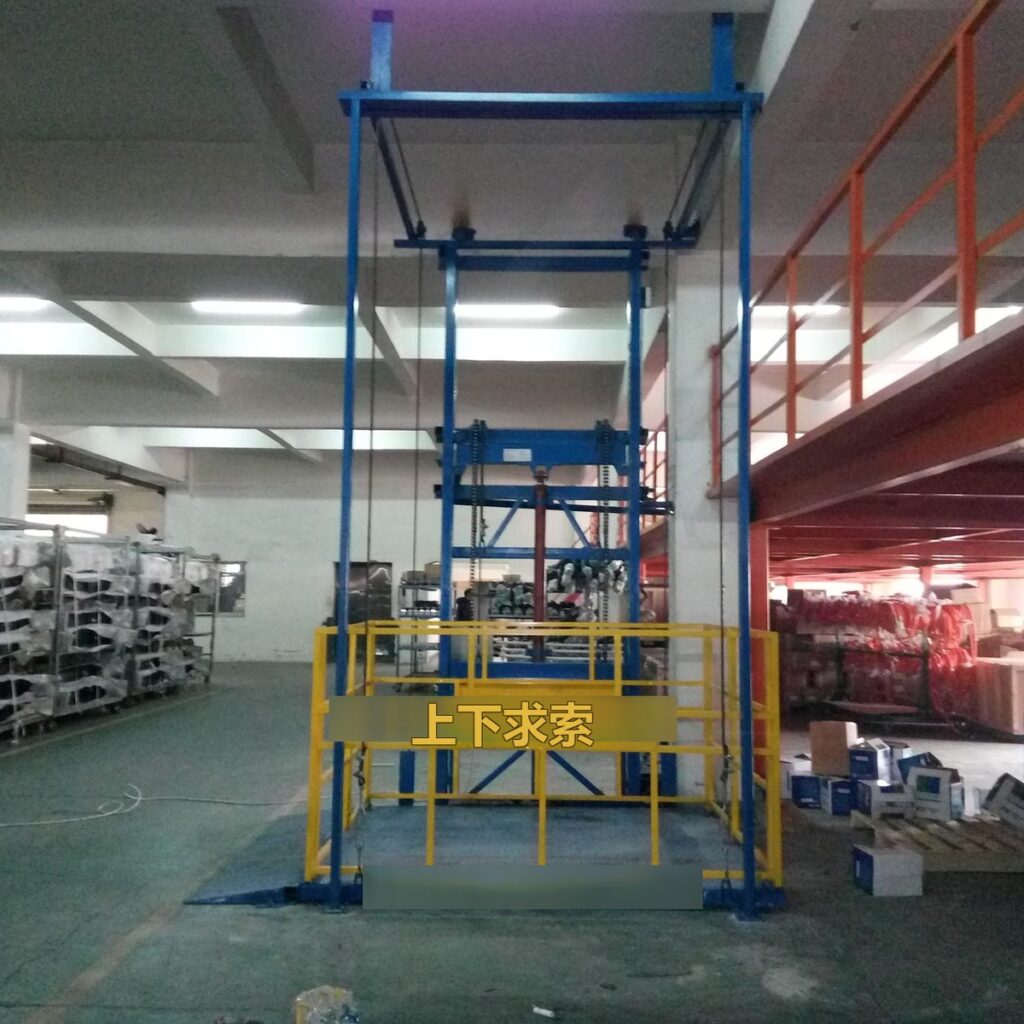
One runs on guide rails and carries goods; the other lives in a shaft and can carry people. How the building decides which machine you need.
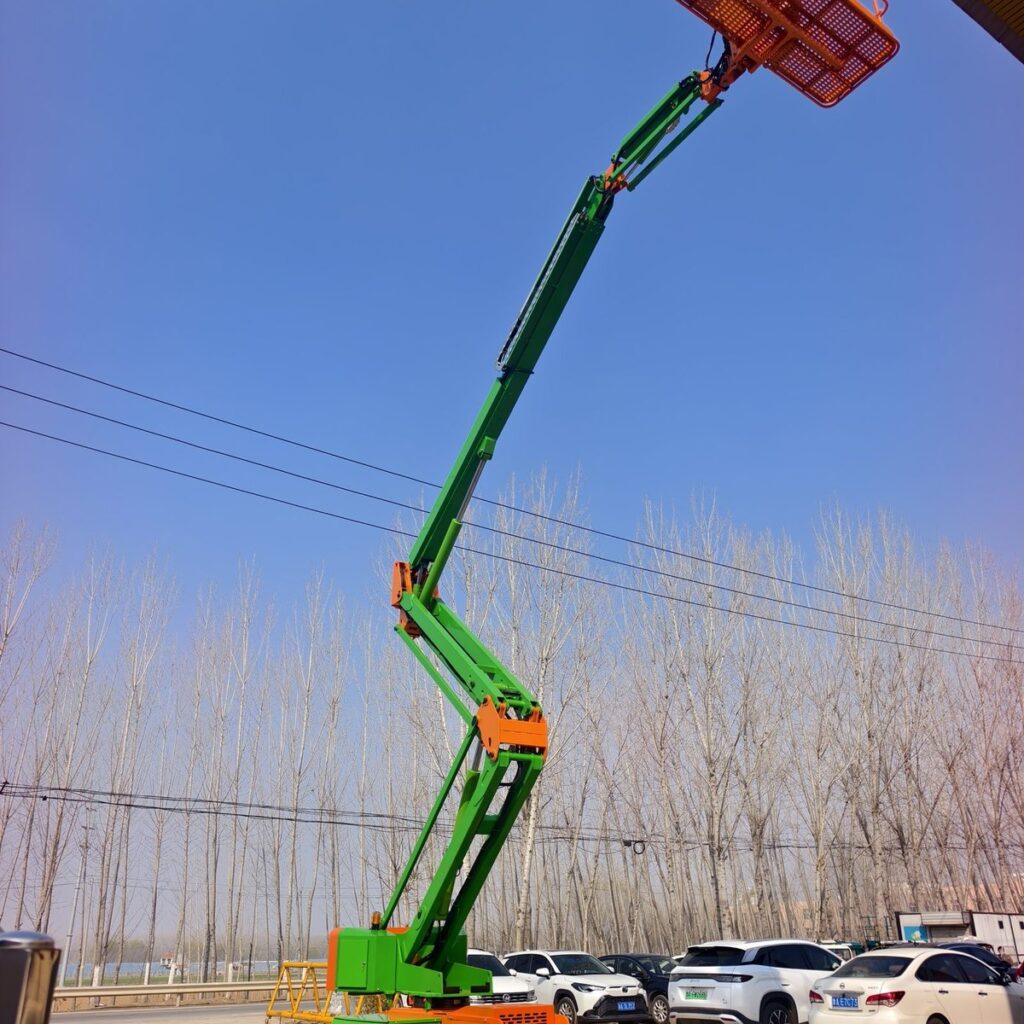
Working height is only half the story: up-and-over clearance decides whether the platform can work on the far side of a wall, a parapet or a roof edge.
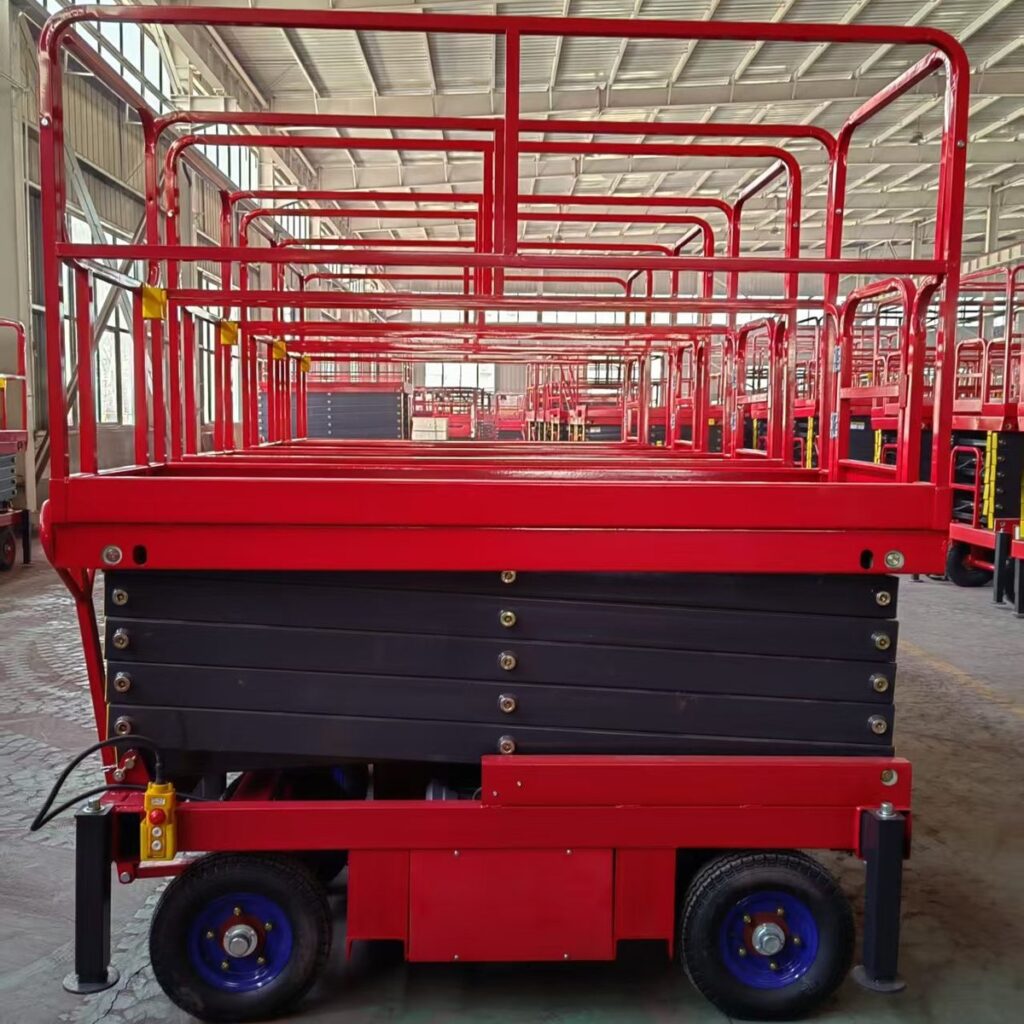
Same ceiling, two very different machines to own. How travel distance, stops and the power supply decide between a mobile and a self-propelled scissor lift.
Capacity, diameter, height and drive: what actually decides which car turntable suits a driveway, a showroom or a commercial yard.
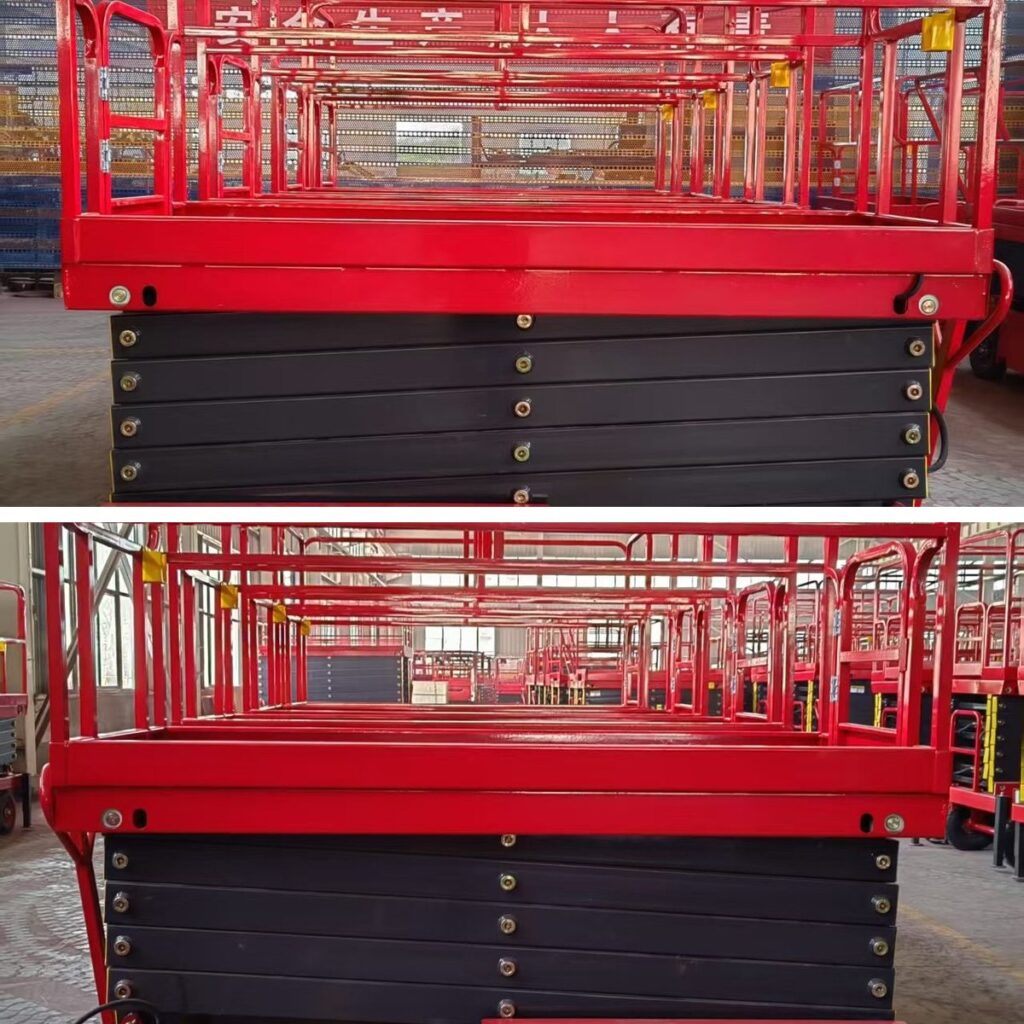
Outriggers, supply, load and the four checks before the first lift: the setup routine that keeps a mobile scissor lift stable at height.
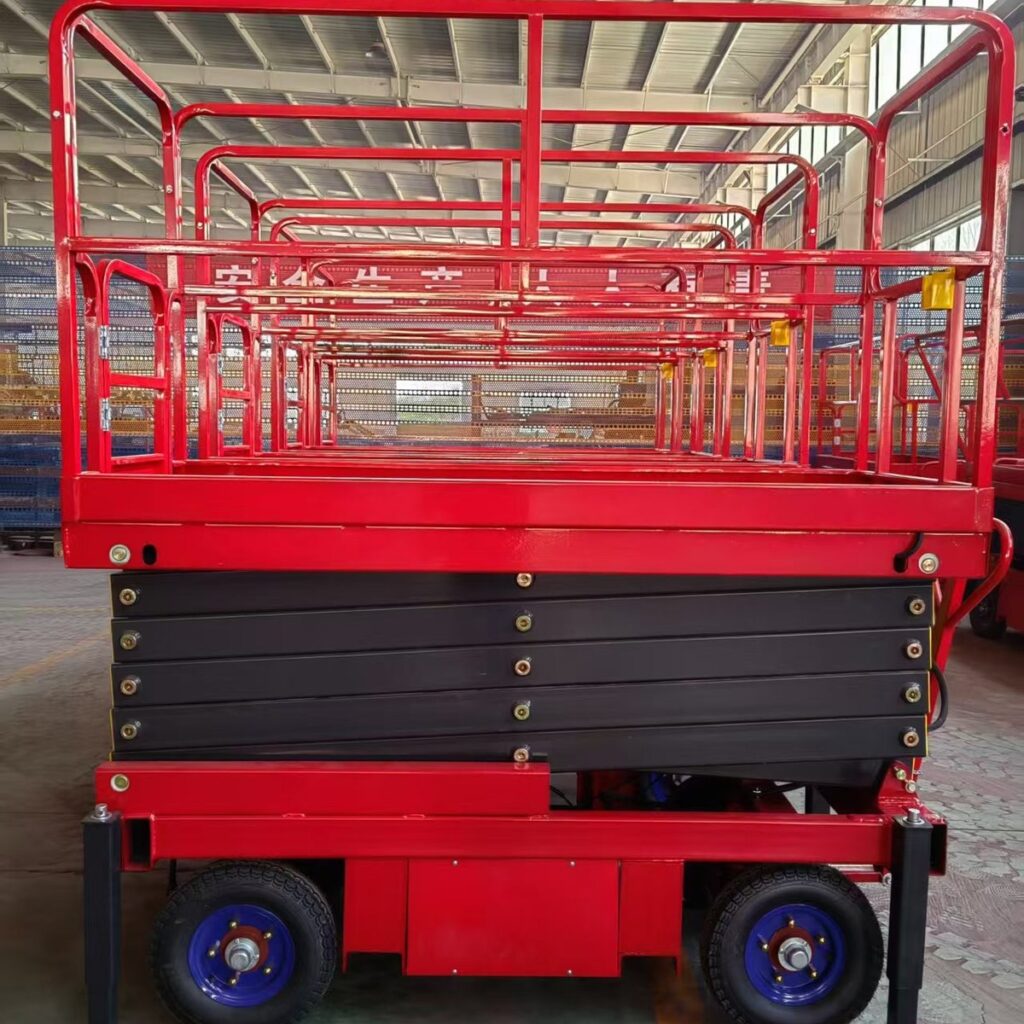
220 V reaches 10 m, 380 V goes higher. What changes between the two, what stays the same, and how to pick the model your socket can actually run.