Every car turntable turns, but the way it turns decides how much load it can carry and how it is serviced. There are two drive systems in our range – a pin gear with a reducer on the smaller discs, and a large slewing bearing on the commercial ones – and the choice is driven by weight and diameter rather than by preference. This guide explains what each one is and where the line falls.
How a pin gear drive works
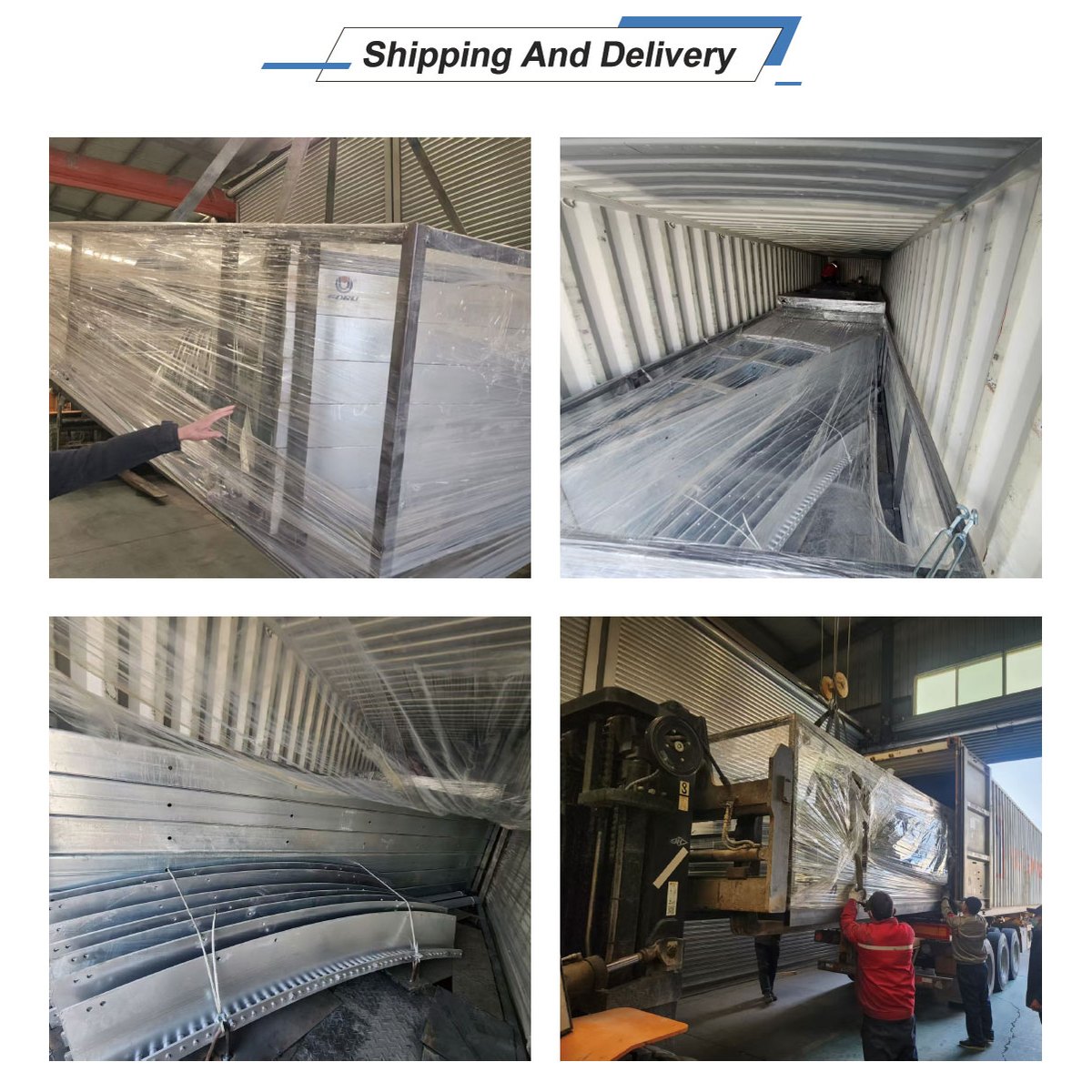
A pin gear drive is a ring of hardened pins around the underside of the platform, engaged by a small gear driven through a reducer. On our 5.5 m, 2.5 t turntable the reducer is an RV63 unit and the platform runs on Harbin bearings, turning at 1 to 2 rpm. The arrangement is compact, quiet and easy to service: the reducer and the pin ring are both accessible from the edge of the disc, and a worn pin or a leaking seal can be replaced without lifting the platform out.
How a slewing bearing drive works
A slewing bearing is a large ring bearing with gear teeth on one race, carrying the platform on its full circumference. On the 30 t, 16 m turntable we built for a tender project in Bangladesh, the platform turns on a large slewing bearing driven by a 2.0 kW motor at 1 to 2 rpm. The bearing carries the load across its whole ring rather than through a set of rollers and a pin circle, which is what makes a 16 m disc possible.
Where the line falls
| Pin gear with reducer | Large slewing bearing | |
|---|---|---|
| Typical model | TT2555, 5.5 m | TT3016, 16 m |
| Capacity | 2.5 t | 30 t |
| Drive | RV63 reducer on a pin ring, Harbin bearings | 2.0 kW motor on a geared slewing bearing |
| Speed | 1 – 2 rpm | 1 – 2 rpm |
| Platform build | 420 mm high | Flush with the ground, 300 x 100 mm pit frame |
| Best for | Private cars, showrooms, driveways | Coaches, trucks and commercial yards |
What changes for the installation
The drive decides what the base has to carry. A pin gear table transfers its load through a bearing ring and a set of support rollers, with the drive at one edge. A slewing bearing transfers the load all the way around the ring, so the foundation has to be flat and continuous under it; a 16 m disc sitting flush with the ground needs a pit frame – 300 x 100 mm on the Bangladesh unit – and a slab that holds the ring evenly. Both types need the same thing at the top: a platform that stays flat and round within tolerance. On the 5.5 m unit that tolerance is plus or minus 10 mm.
Maintenance differences
- Pin gear: check the reducer oil, grease the pin ring and inspect the drive gear for wear. The parts are small and inexpensive, and the drive is easy to reach.
- Slewing bearing: grease the bearing at its lubrication points on schedule, check the mounting bolts for torque, and keep the ring free of grit. The bearing itself is a long-life component, but it is a major part if it is ever damaged.
- Both: keep the pit or the base dry, because water under a turntable attacks the bearing and the drive together.
Why the diameter pushes the choice
The drive has to move the platform through its full circle, and the bigger the circle the more leverage the load has on the drive. At 5.5 m the pin ring is small enough for a compact reducer to drive it with a gentle torque, and the bearing ring carries the vehicle at a manageable diameter. At 16 m the ring is too large for a pin gear to carry the load evenly, so the platform runs on a slewing bearing that spreads the vehicle over the whole circumference and turns it with a single 2.0 kW motor.
Two projects, two drives
The 5.5 m turntable built for a private project in Namibia uses the pin gear arrangement: 2.5 t, 420 mm high, RV63 reducer, Harbin bearings, packed at about 3200 x 1250 x 2200 mm and 2,500 kg. The 30 t, 16 m machine built for a tender project in Bangladesh goes the other way: a 12 to 16 m deck for a 14 m vehicle, a 300 x 100 mm pit frame, a large slewing bearing and a 2.0 kW motor. Same function, different scale, and the drive is what separates them.
Frequently asked questions
Can a pin gear turntable carry a commercial vehicle?
Our pin gear unit is rated at 2.5 t, which covers a private car. For a 6 t vehicle the 6 m turntable uses a 500 mm platform and a 380 to 400 V three phase drive; for coaches and trucks the 30 t, 16 m machine with a slewing bearing is the correct design.
Which drive is quieter?
The pin gear drive is the quieter of the two at small diameters, which is one reason it is used for showrooms and private driveways. At 16 m the slewing bearing is the only practical option, and the motor and bearing noise are part of the machine.
How fast do they turn?
Both run at 1 to 2 rpm, so a half turn takes roughly 15 to 30 seconds. The speed is deliberately slow for a vehicle standing on the platform.
Next step
Tell us the vehicle weight and length, the diameter you can accommodate and whether the turntable sits flush or on the surface, and we will confirm the drive system and the base. Start from the car turntable range, read how to choose a car turntable, and see the 5.5 m driveway project for a worked example.