A car turntable is a simple idea with a surprisingly long specification list. You drive on, the platform turns, you drive off facing the other way – which is worth real money in a narrow driveway, a showroom or a garage where reversing out is the worst part of the day. What decides the machine is not the diameter alone: it is the weight it has to carry, the height it can afford to add, the drive system that suits that weight, and the base it sits on.
What a car turntable is used for
Three situations justify one. A driveway too narrow to turn in, where the car has to leave nose-first. A showroom or garage where cars are positioned for display and every centimetre of manoeuvring space costs money. And a site where vehicles have to be turned without a reversing movement, because reversing is the risk. In all three the machine is a flat disc set into or onto the ground, driven by a motor through a gearbox or a slewing bearing, turning at walking pace.
The three numbers that decide the model
Capacity, diameter and height. Capacity has to cover the heaviest vehicle that will ever use it, with a margin; diameter has to cover the vehicle’s length and width with room for the wheels; height decides whether the turntable sits flush with the ground or on top of it, which is usually a question of drainage and thresholds rather than preference.
| Model | Diameter | Capacity | Height | Drive |
|---|---|---|---|---|
| TT2555 | 5.5 m | 2.5 t | 420 mm | Pin gear, RV63 reducer, 1 – 2 rpm |
| TT6-6 | 6 m | 6 t | 500 mm | 380 – 400 V three phase, 1 – 2 rpm |
| TT3016 | 16 m | 30 t | Flush with the ground | Large slewing bearing, 2.0 kW, 1 – 2 rpm |
Pin gear or slewing bearing?
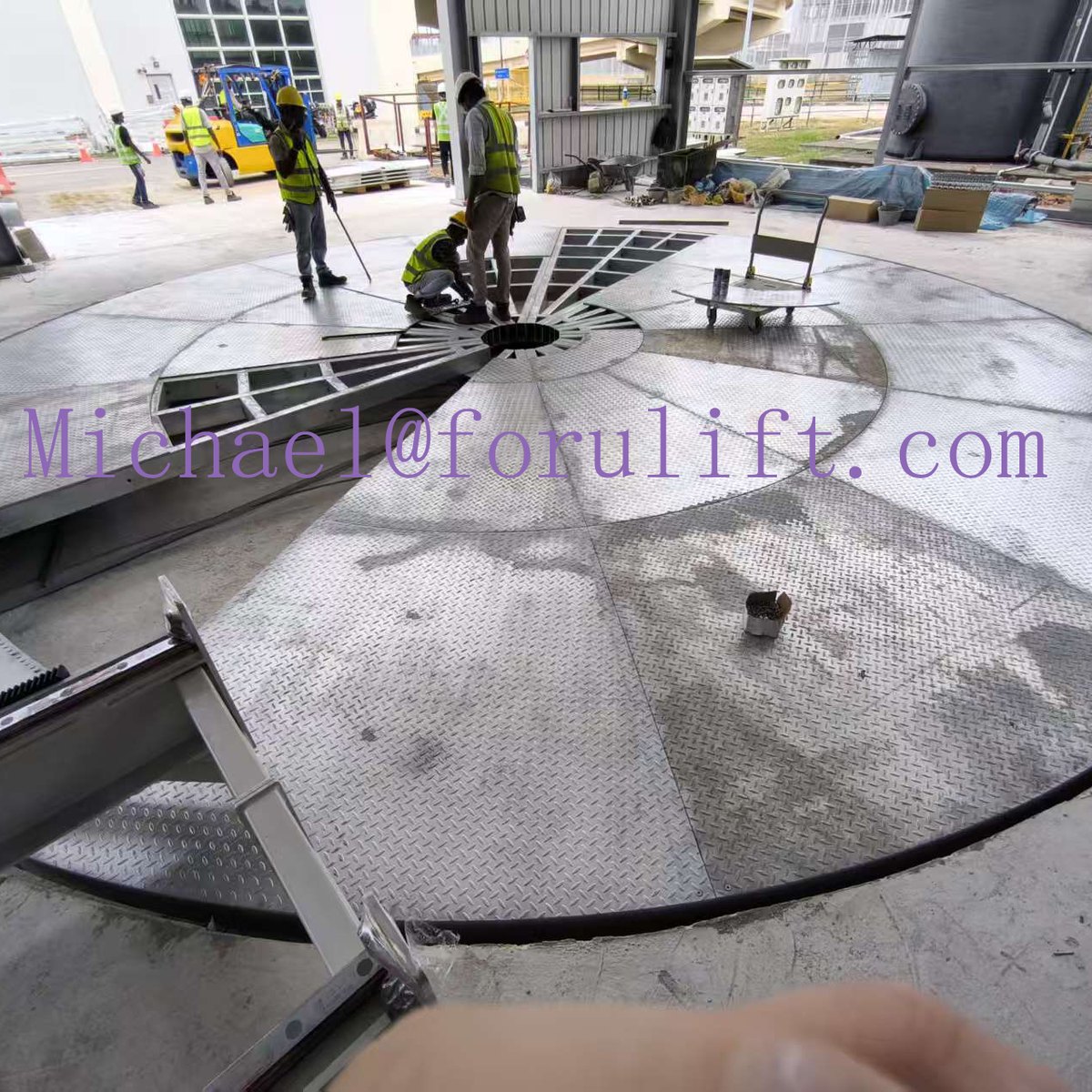
Small and medium turntables are usually driven by a pin gear ring with a reducer: our 5.5 m, 2.5 t unit uses an RV63 reducer on a pin gear drive running on Harbin bearings, which is compact, quiet and easy to service. Large turntables move to a slewing bearing because the load and the diameter make a pin gear impractical: the 30 t, 16 m machine for a tender project uses a large slewing bearing driven by a 2.0 kW motor. Both turn at 1 to 2 rpm, which is a half turn in roughly 15 to 30 seconds.
One more case is worth knowing, because it is the one buyers forget to ask about: for markets that measure in feet we build a 2 t unit at 12 ft diameter, which is what a driveway measured in feet actually needs rather than the nearest metric size. Give us the imperial figures and we will convert them properly.
Flush with the ground, or on the surface?
A flush turntable is set into a pit and the car drives straight on. Our 5.5 m unit stands 420 mm high and ships as a single assembly, so the pit has to be built to suit it; the 30 t machine for the Bangladesh project was specified flush with the ground with a 300 x 100 mm pit frame, because a 16 m disc cannot be a ramp. A surface mounted turntable needs no pit but adds a step, which is why it is normally used indoors, in a showroom or garage, where the floor can be built up to meet it.
What the installation needs
- A flat, drained base. The platform has to stay flat as it turns: our 5.5 m unit is made to a flatness and roundness tolerance of plus or minus 10 mm.
- A power supply at the pit. Single phase on small units; the 6 m, 6 t machine for a Tanzanian project runs on 380 to 400 V three phase.
- Room around the disc. The turntable diameter is not the space it needs: allow for the car overhanging at the ends and for the driver’s door.
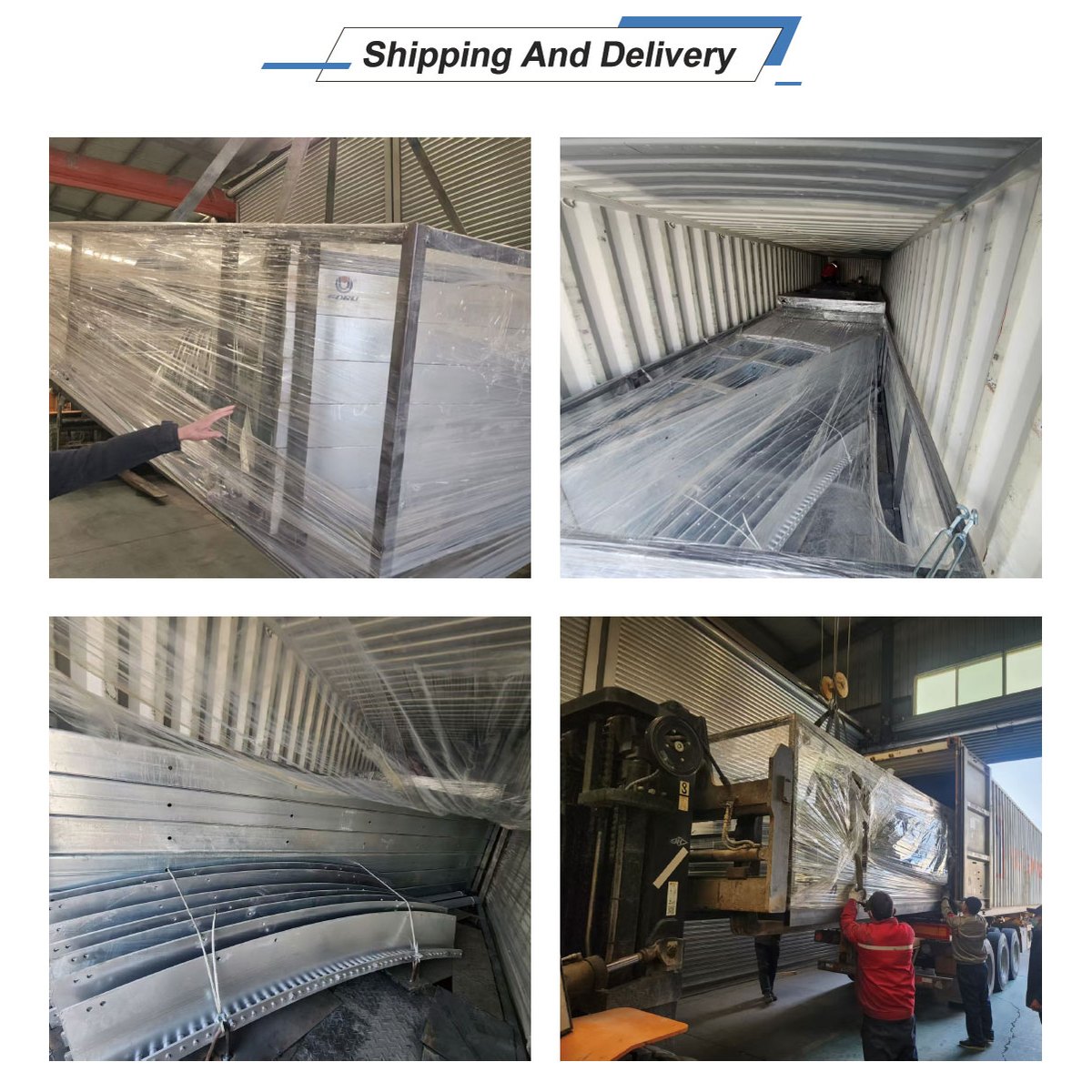
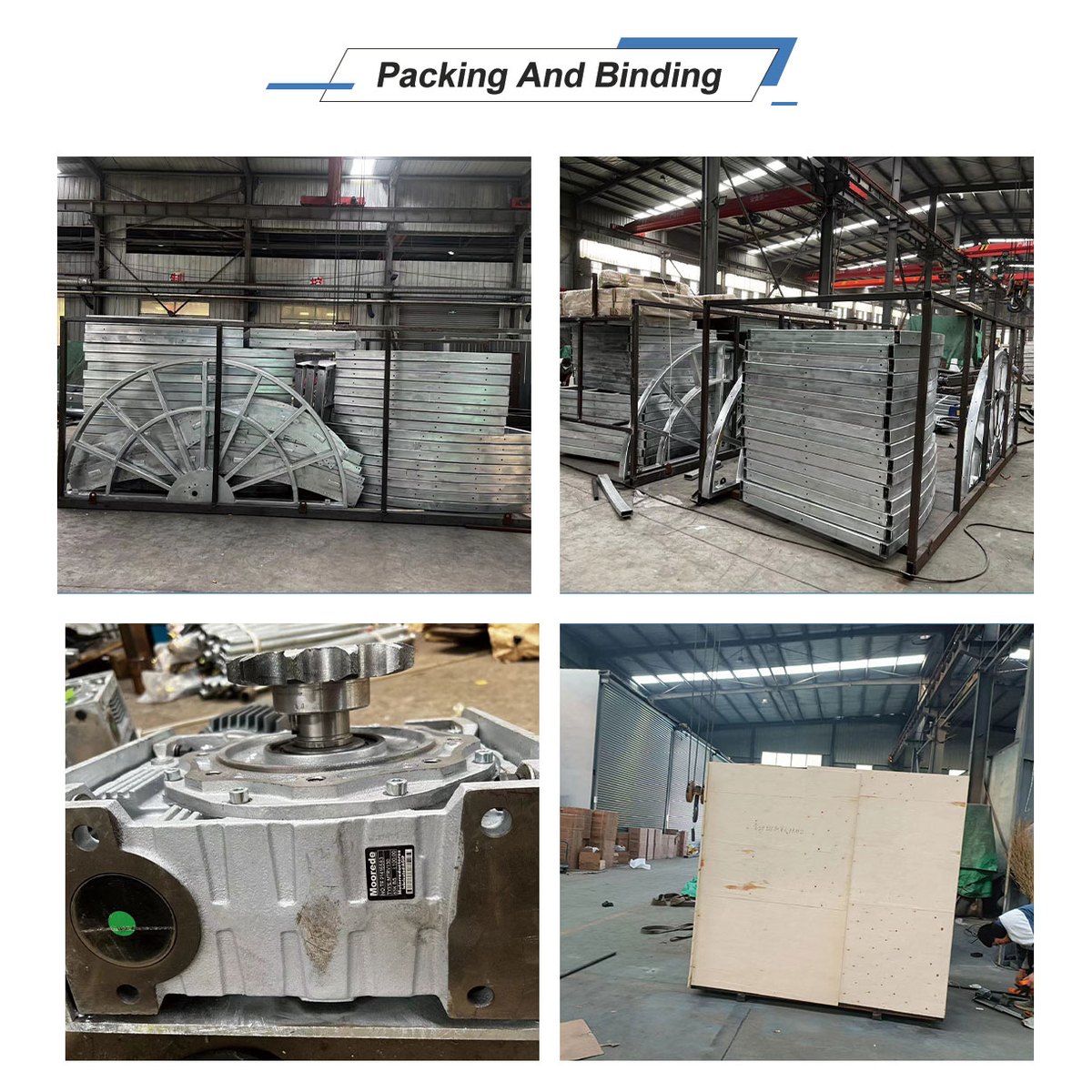
- A lifting plan. A 5.5 m unit packs to about 3200 x 1250 x 2200 mm and weighs around 2,500 kg, and the 6 m machine packs to about 3 x 1.2 x 2.2 m at roughly 2 t. That is a crane or a forklift job, not a van delivery.
Frequently asked questions
How much space does a car turntable need?
At least its own diameter, plus clearance for the car overhanging the front and rear of the disc and for the doors. Our smallest unit is 5.5 m across; the 6 m unit carries 6 t; a 16 m unit for coaches and commercial vehicles is a different project altogether, with its own pit and foundation design.
Can a turntable be installed outdoors?
Yes, with the right base and drainage. The pit has to shed water rather than collect it, the finish has to suit the climate, and the drive has to be accessible for service without lifting the platform. Tell us the site conditions when you ask for a quotation, because an indoor showroom unit and an outdoor driveway unit are specified differently.
How fast does it turn?
Our turntables run at 1 to 2 rpm, so a half turn takes roughly 15 to 30 seconds. That is deliberate: slow enough to be safe with a car on board, and fast enough that nobody waits.
Next step
Send us the longest and heaviest vehicle that will use the turntable, whether it sits flush or on the surface, and whether the site is indoors or outdoors. We will confirm the diameter, the drive system and the pit dimensions. Start from the car turntable range, and read how to choose the right diameter if you are still deciding between sizes.