Buying an aerial platform on the wrong number is the most common and the most expensive mistake in this industry. Working height is not the same as platform height, and the difference decides whether the machine reaches your work point or stops a metre short. Here is how to work out the number you actually need, using three measurements and one addition.
Platform height, working height and reach
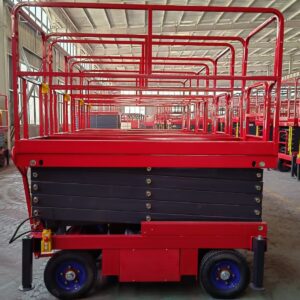
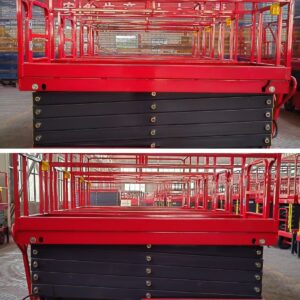
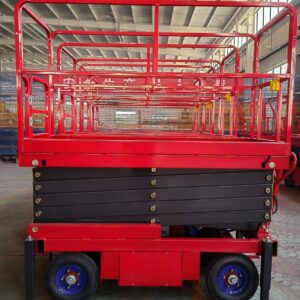
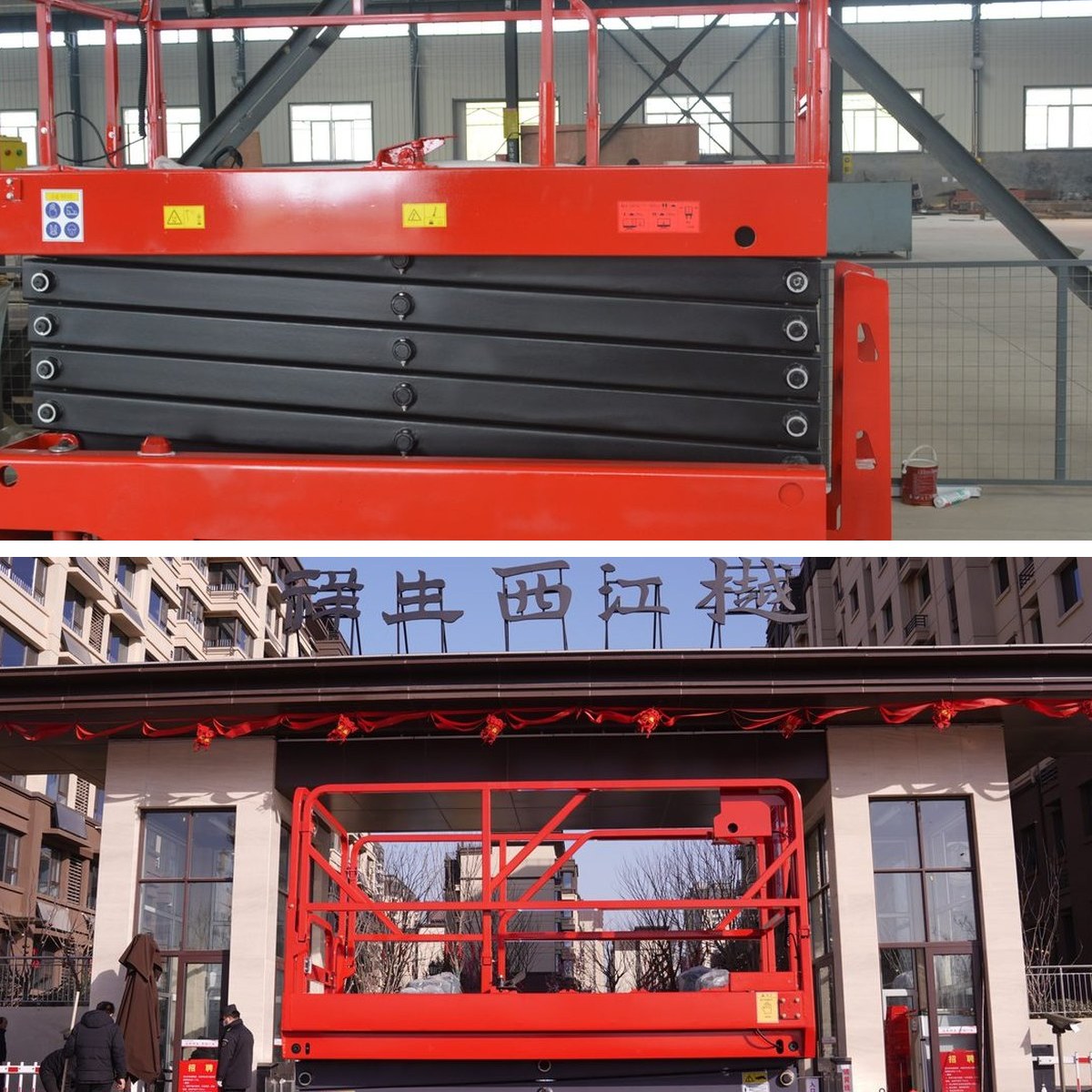
Platform height is the distance from the ground to the floor of the platform. Working height is platform height plus roughly 2 m, which represents a person standing on the platform and reaching overhead. A machine sold as a 10 m scissor lift has a platform height of 10 m and a working height of about 12 m. Suppliers quote both figures, and the same machine can be described either way, so always ask which number you are being given.
The three measurements you need
Stand in front of the work point and write down three numbers before you look at any catalogue.
- The height you must reach. Measure to the highest point your hands need to touch, not to the floor of the level you are working on.
- The horizontal distance. Measure from where the machine can actually stand to the work point. A scissor lift covers this distance with the platform or extension deck; a boom lift covers it with horizontal boom reach.
- Anything in between. Racking, pipework, a parapet or a machine that cannot be moved changes which machine you need, even when the height is the same.
Calculate the required platform height
Subtract 2 m from the height you need to reach and you have the platform height the machine must deliver. If your highest work point is 9.5 m, you need a platform height of about 7.5 m, which puts you between the 6 m and the 8 m model. Round up rather than down: a machine that reaches exactly to the work point leaves no room for a person to stand and work comfortably at that height.
What each task usually needs
| Task | Height to reach | Machine to consider |
|---|---|---|
| Lighting and ceiling work in a warehouse | 6 – 8 m | Electric scissor lift |
| Racking maintenance in a high-bay warehouse | 9 – 12 m | Scissor lift with extension deck |
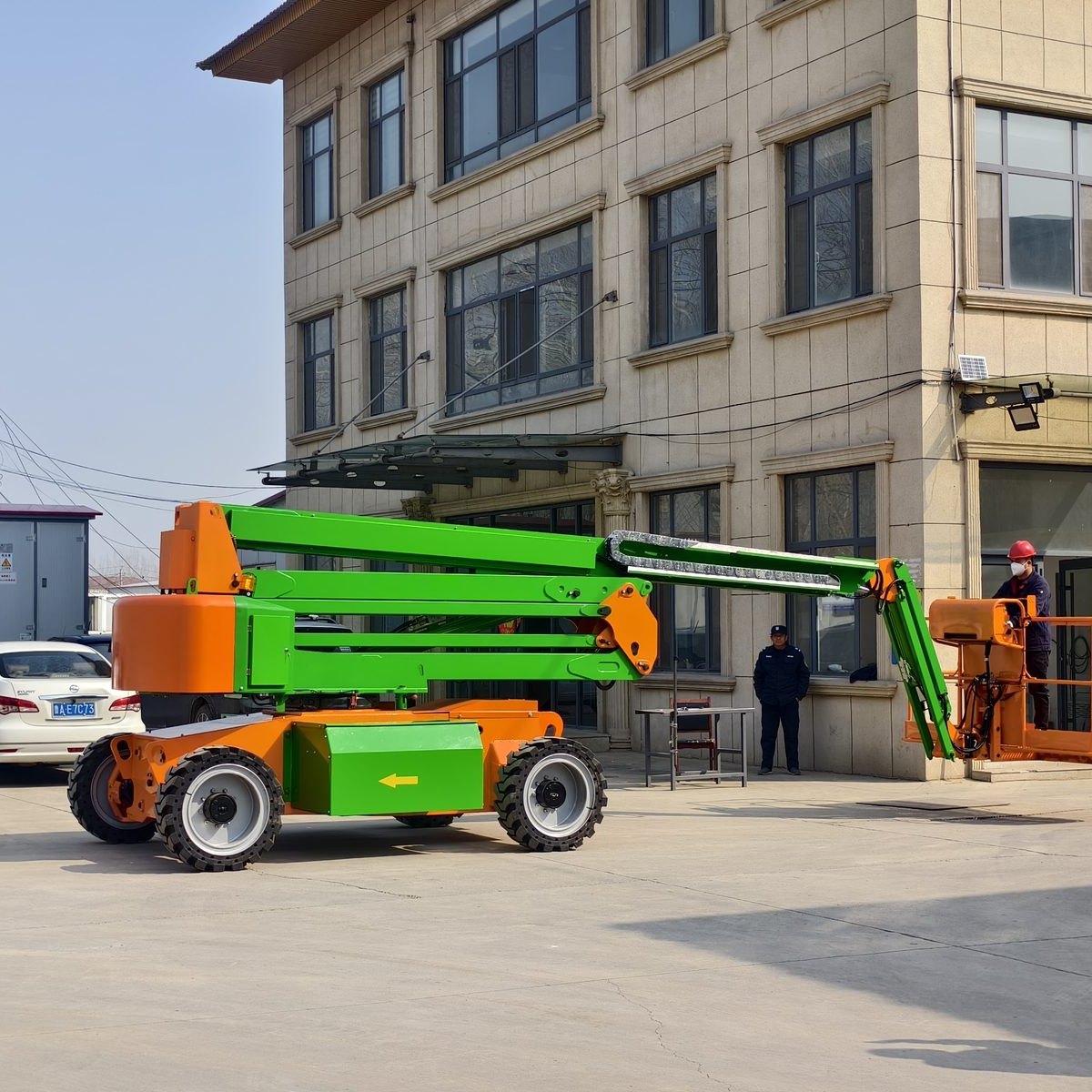
| Sprinkler and duct work above racking | 10 – 14 m | Articulated boom lift |
| Facade, cladding and roof edge work | 15 – 25 m | Articulated or telescopic boom lift |
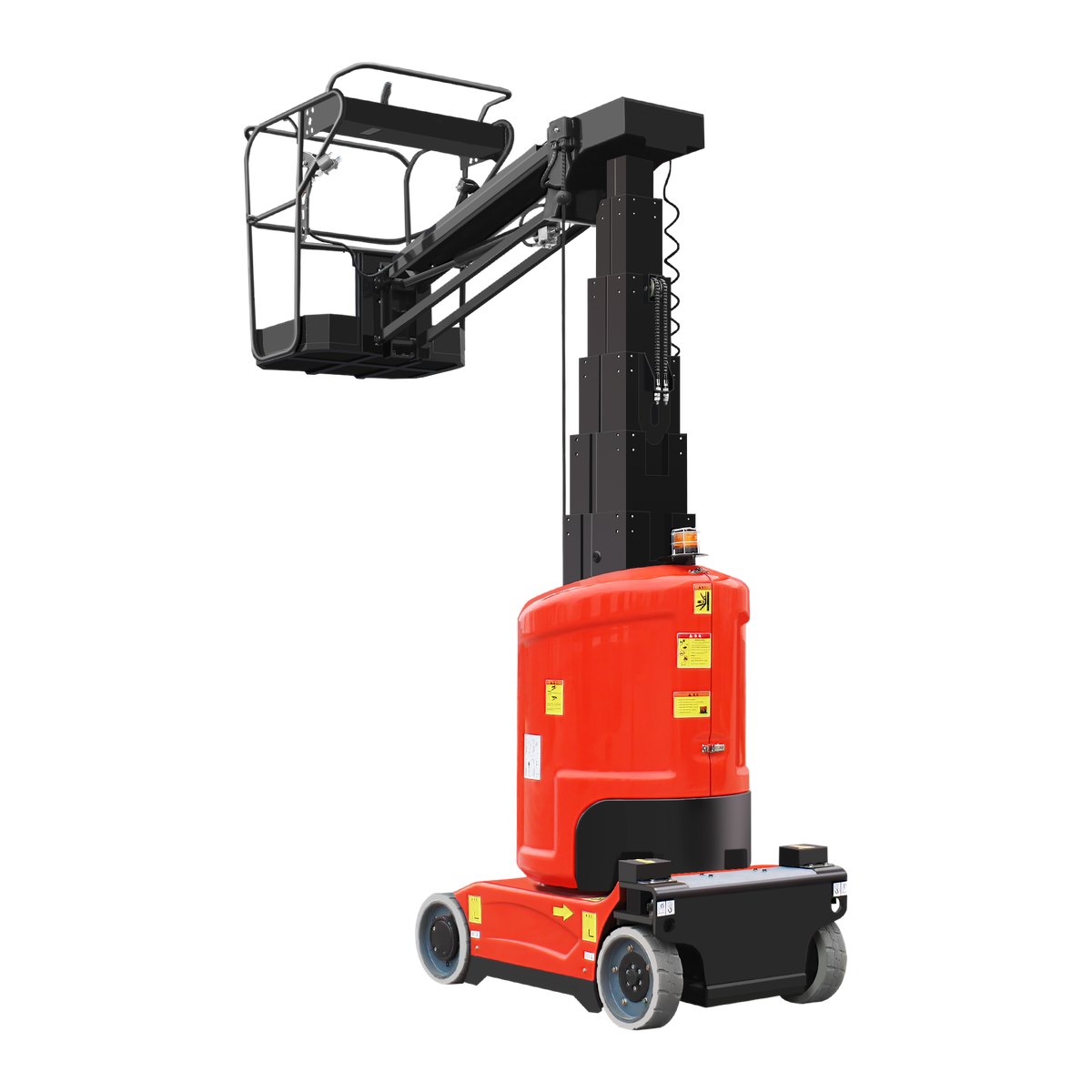
| Machine installation and workshop maintenance | 4 – 6 m | Mobile scissor lift or vertical lift |
| Steel structure and pipe bridge access | 12 – 20 m | Articulated boom lift |
Three mistakes that cost money
- Quoting platform height as working height. The machine arrives and the operator can only reach the level they were trying to work above.
- Ignoring the horizontal distance. Height alone does not tell you whether the platform can be positioned over the machine or the racking row.
- Forgetting door width and floor loading. A machine that cannot enter the building, or cannot be carried by the mezzanine floor, is no use at any height. Check the narrowest doorway and the point load your floor can take before you order.
Frequently asked questions
Why is working height always about 2 m more than platform height?
The allowance covers a person standing on the platform and reaching overhead. Some suppliers use 1.8 m and others use 2 m, so treat the figure as an estimate and confirm the number for the specific model you are buying.
Can two machines have the same working height and different prices?
Yes. Power type, platform capacity, chassis and horizontal reach all change the price, and they change what the machine can do. A 12 m scissor lift and a 12 m boom lift do not do the same job.
What if I am not sure which machine fits?
Send us the three measurements and a photo of the work area. We will reply with the model that fits and the figures behind the recommendation.
Next step
For work between 6 m and 12 m inside a building, start with our electric scissor lift range. For work over obstacles, or above 12 m, look at our boom lifts.