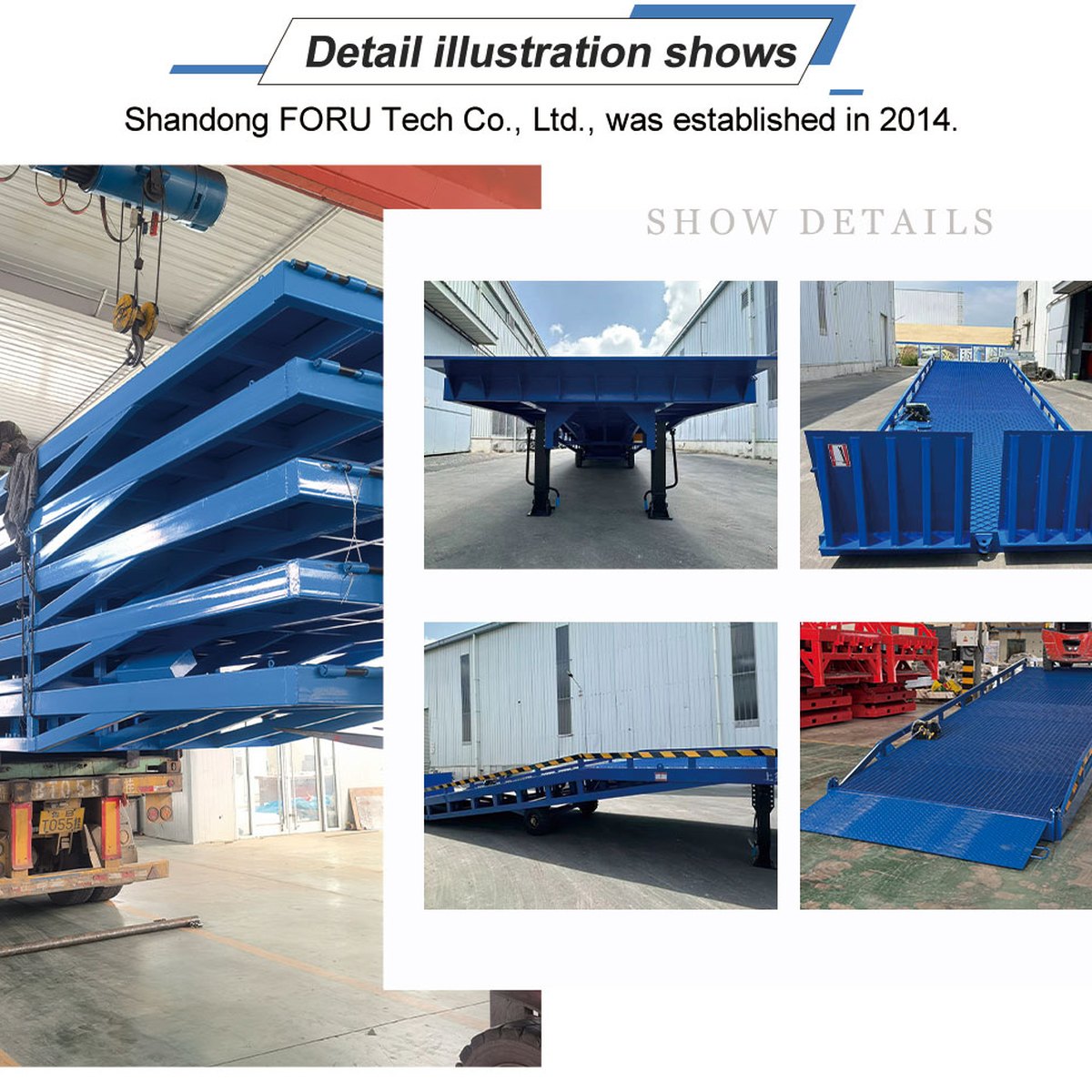
A 15 t mobile loading ramp does not weigh 15 t. The rating describes the load it can bridge between a truck or container and the ground. The ramp itself is still a heavy steel machine. In the recorded 15 t project, the mobile ramp weighs about 4,000 kg before any packaging or lifting gear is added. That distinction decides how the unit is transported, lifted and positioned.
What does a 15 t mobile loading ramp weigh?
The project record lists a 15 t capacity and a self-weight of about 4,000 kg. The surface is shot blasted and finished with electrostatic powder coating, and four 10 m lifting slings are supplied with the ramp. These details matter because a four-tonne machine needs a handling plan before it leaves the depot; it is not a portable plate that two people can carry into place.
Capacity and self-weight answer different questions. The 15 t figure is the rated load the ramp is designed to carry in operation. The 4,000 kg figure is the mass that a crane, forklift, truck or lifting frame has to move during delivery and setup. Never choose a handling method from the load rating alone.
How does a 15 t ramp compare with a smaller example?
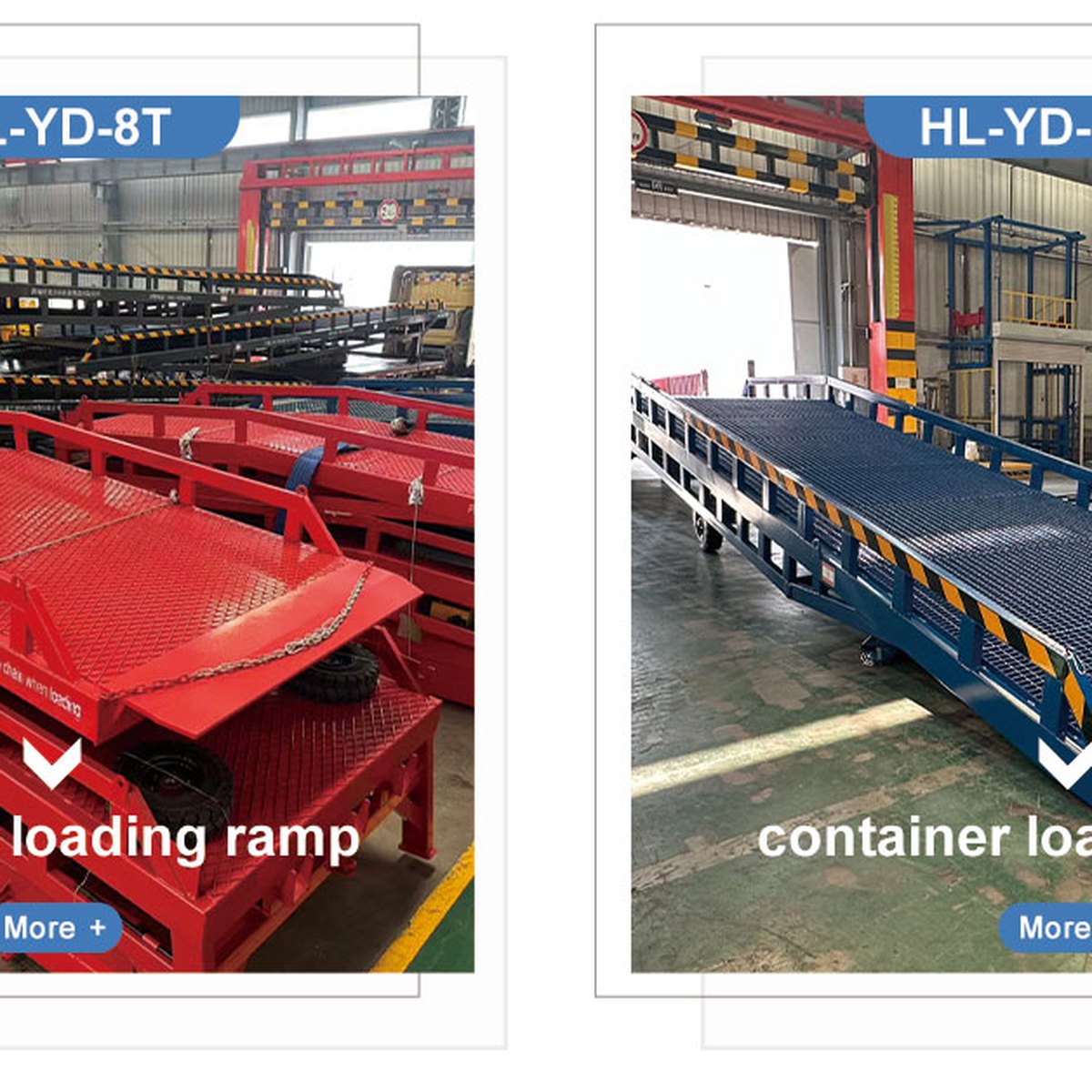
Our published 6 t mobile ramp configuration provides a useful contrast, but the different capacities do not make the dimensions interchangeable.
| Specification | Recorded 15 t mobile ramp | Published 6 t mobile ramp example |
|---|---|---|
| Rated operating capacity | 15 t | 6 t |
| Ramp self-weight | About 4,000 kg | About 2,200 kg |
| Documented overall size | Confirm on the selected model drawing | 11,300 x 2,100 x 1,100 mm |
| Lifting equipment in the case | Four 10 m lifting slings | Confirm with the selected model |
| Surface treatment | Shot blasted and electrostatic powder coated | Shot blasted and powder coated |
| Handling lesson | Plan for roughly four tonnes of machine weight | Machine weight is much greater than a loose plate |
How should the ramp be unloaded and lifted?
Unloading begins with a lifting plan. Confirm the ramp’s weight, centre of gravity and designated lifting points from its drawing before the transport vehicle is opened. The 15 t project included four 10 m lifting slings, but the correct sling arrangement still has to suit the actual lifting points and angle. Use rated rigging, inspect it before use and keep people clear of the suspended load.
Do not lift the ramp by its side rails, hydraulic hoses, wheels or deck edge unless the manufacturer’s instructions identify those parts as lifting points. The delivery team should know the machine’s approximate 4,000 kg weight and use a crane or other lifting equipment with adequate capacity. Load charts, centre-of-gravity effects and the lowered or folded position of the ramp all affect the lift.
What ground conditions matter before positioning?
A mobile ramp transfers the load into its frame, wheels, supports and the ground beneath them. Check that the approach and operating area are level enough for the selected design, that the ground can support the ramp and the vehicle being served, and that there is space to reverse or manoeuvre the transport. Wet, loose or unsupported ground should be assessed before the ramp is moved into place.
Position the ramp so the top rests correctly against the truck or container and the mobile end sits on a stable surface. Engage the parking brake arrangement provided for the model, use outriggers or other supports where the operating instructions call for them, and inspect the connection before a forklift crosses. The ramp should not bridge a gap that leaves one end unsupported.
What changes when the ramp is used rather than moved?
In service, the forklift or other handling equipment crosses the ramp and applies moving loads to the deck. Keep the deck clear of loose material, inspect the approach plates and locking points, and confirm that the ramp is aligned with the vehicle opening. The listed 15 t capacity is a limit for the complete operating arrangement, so load distribution and the type of equipment crossing still matter.
The project finish is shot blasted and powder coated, which helps protect a steel ramp exposed to weather and handling. That finish does not remove the need to inspect for damage after transport. Look at the deck, kerbs, welds, supports and coating during handover. A bent component or cracked weld should be assessed before the ramp is returned to service.
Why does self-weight affect transport planning?
At about 4,000 kg, the 15 t ramp requires a suitable flatbed or other transport arrangement and a method for loading it. The vehicle needs capacity for the ramp’s mass, and the arrangement needs to secure it against movement. The four 10 m slings shipped with the project also need to be stored, inspected and included in the delivery check.
Plan the route into the site as carefully as the road journey. A mobile ramp can be moved on its own wheels for short positioning, but that does not mean it should be towed or driven like a road trailer. Use the moving arrangement and towing point given for the model, and follow the manual for braking, securing and transport speed.
What should be checked at handover?
At delivery, match the ramp and its accessories to the packing list, including the four 10 m lifting slings recorded for the 15 t project. Check the deck, side protection, wheels, supports, hydraulic components and finish for visible transport damage. Store the lifting gear with the operating documents so it can be inspected before the next lift.
Before the ramp enters regular service, have the person responsible position it beside a suitable vehicle and check the complete loading path without a load. Confirm the top connection, ground contact, supports and approach. Then follow the operating procedure for a loaded trial at the site. A delivery signature covers the condition of the machine; the operating check confirms that the ramp is properly set up for the work.
When should you choose fixed rather than mobile?
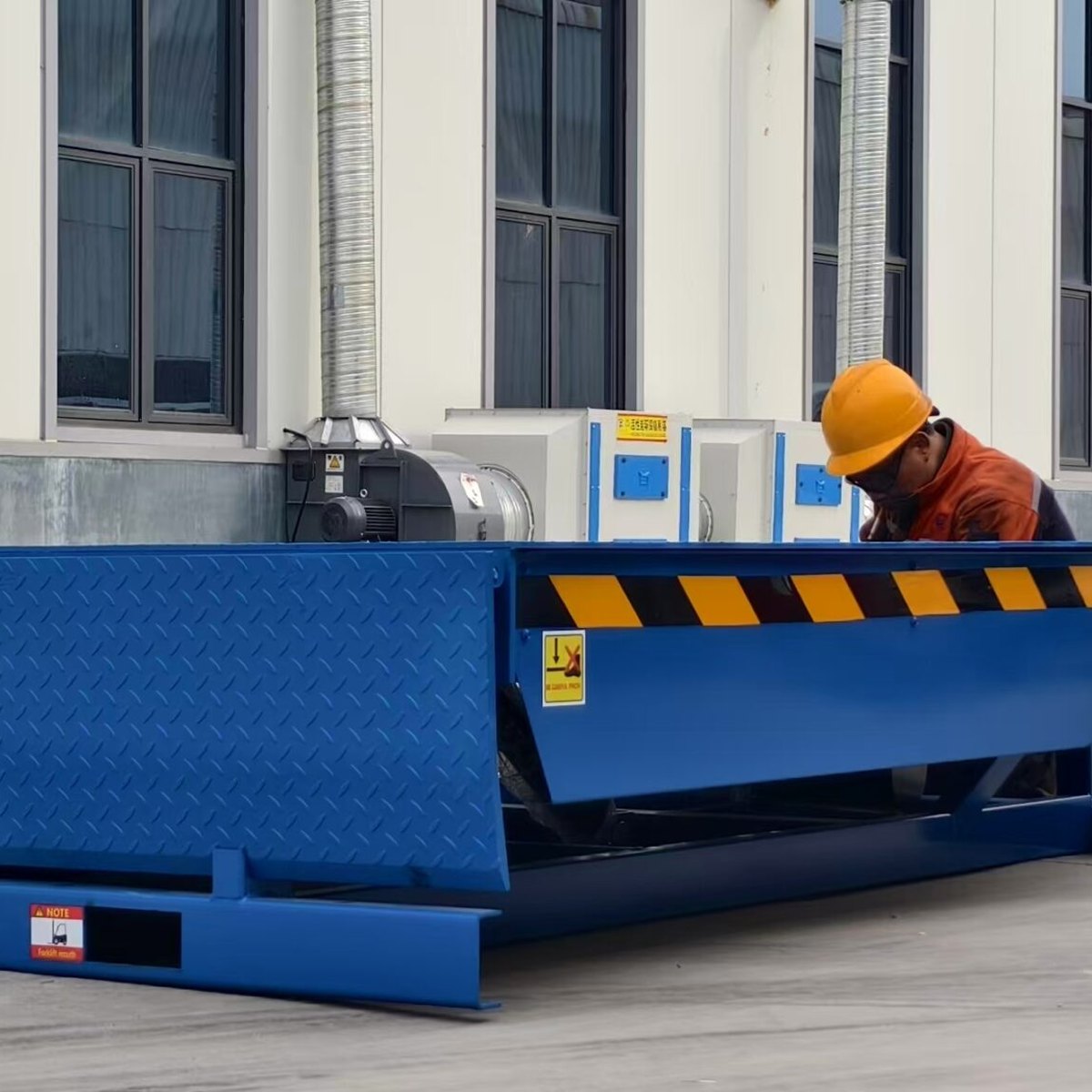
A mobile ramp is useful where trucks or containers change position and the loading point is not permanent. A fixed loading ramp is the better form when the same lane is served continuously and a built-in approach can remain in place.
Record the lane width, vehicle heights, required capacity, ground conditions and whether the ramp must be moved between doors. Those details determine the ramp length, adjustment system, supports and handling method. The 15 t mobile case gives a useful reference for weight and lifting gear, while the site survey decides whether that configuration fits the next dock.
Frequently asked questions
Does a 15 t ramp weigh 15 t?
No. The 15 t figure is the rated operating capacity in the project record. The mobile ramp’s self-weight is about 4,000 kg. Both numbers are relevant: one describes the load it carries, while the other determines transport and lifting requirements.
Can a forklift lift the ramp into position?
Only after checking the forklift’s capacity, the load centre, the attachment and the designated lifting arrangement. The ramp weighs about 4,000 kg, so its mass and centre of gravity must be planned before any lift. Use the model drawing and a competent lifting method rather than lifting from convenient parts of the frame.
Why are four lifting slings supplied?
The 15 t project record includes four 10 m lifting slings so the ramp can be handled with a planned multi-point lift. They still have to be inspected, attached to the correct points and used within their own rated capacity. The slings belong with the ramp’s handling equipment and records.
Next step
Send the vehicle heights, lane width, maximum load and photographs of the ground where the ramp will sit. Start from the mobile container loading ramp, compare the fixed loading ramp, and read how to choose a loading ramp for a warehouse dock.